
Industrial AI vs GenAI: What Really Works on the Factory Floor?
Show notes
Welcome to the Impact of AI: Explored podcast. In this episode
James and Gerjon have a awesome guest: Dr. Nikita Golovko - Certified ISAQB CPSA-F Architect/Cybersecurity expert & PSSE (ISC2 CC) (https://www.linkedin.com/in/dr-nikita-golovko/)
In this conversation, we discuss the challenges and nuances of implementing AI in industrial settings. We look at the importance of bridging the gap between AI technology and practical application on the factory floor, highlighting the need for translators who can communicate between data science and operational teams. The discussion also covers the transition from lab-based AI to real-world applications, the significance of team structure in successful AI projects, and the responsibilities of engineers in ensuring AI systems are safe, transparent, and sustainable. We share insights on generative AI, technical debt, and the future of AI in industrial automation, advocating for a collaborative approach that includes human oversight in decision-making processes.
Takeaways
* Finding the right talent to bridge AI and operational gaps is crucial.
* AI solutions often fail when transitioning from lab to real-world environments.
* Technical debt can be identified by signals like fear of touching code.
* Generative AI is not yet suitable for industrial applications due to unpredictability.
* AI should enhance human decision-making, not replace it.
* Team structure significantly impacts the success of AI projects.
* Sustainability in AI means retraining models with new teams over time.
* Transparency and explainability are essential for AI systems.
* AI can assist in coding but should not replace foundational knowledge.
* Documenting decisions is key to managing technical debt.
Chapters
- 00:00AI agents in industrial environments
- 01:33introduction
- 02:18Listener question: Bridging the Gap in Industrial AI Hiring
- 06:47Challenges of Deploying AI in Real-World Environments
- 09:38Technical Debt and Its Early Warning Signs
- 12:18Generative AI vs. Classical Machine Learning in Industry
- 14:51The Role of Predictability in AI Models
- 17:29Local vs. Centralized AI Models in Production
- 20:14Architectural Challenges in AI Implementation
- 22:55Sustainability in AI System Design
- 25:52The Future of AI in Industrial Applications
- 26:54The Role of AI in Industrial Automation
- 32:00AI as an Advisor: The Human Element
- 36:39AI-Assisted Coding: Benefits and Risks
- 40:08Responsibility and Ethics in AI Development
About our guest
Dr. Nikita Golovko
Portfolio AI Architect, Siemens
Certified iSAQB architect and cybersecurity expert. Talked about industrial AI versus GenAI on the factory floor.
LinkedIn → All appearances →Join the conversation
What did you think? Tell us on LinkedIn, send us a note, or suggest someone we should talk to.
More conversations
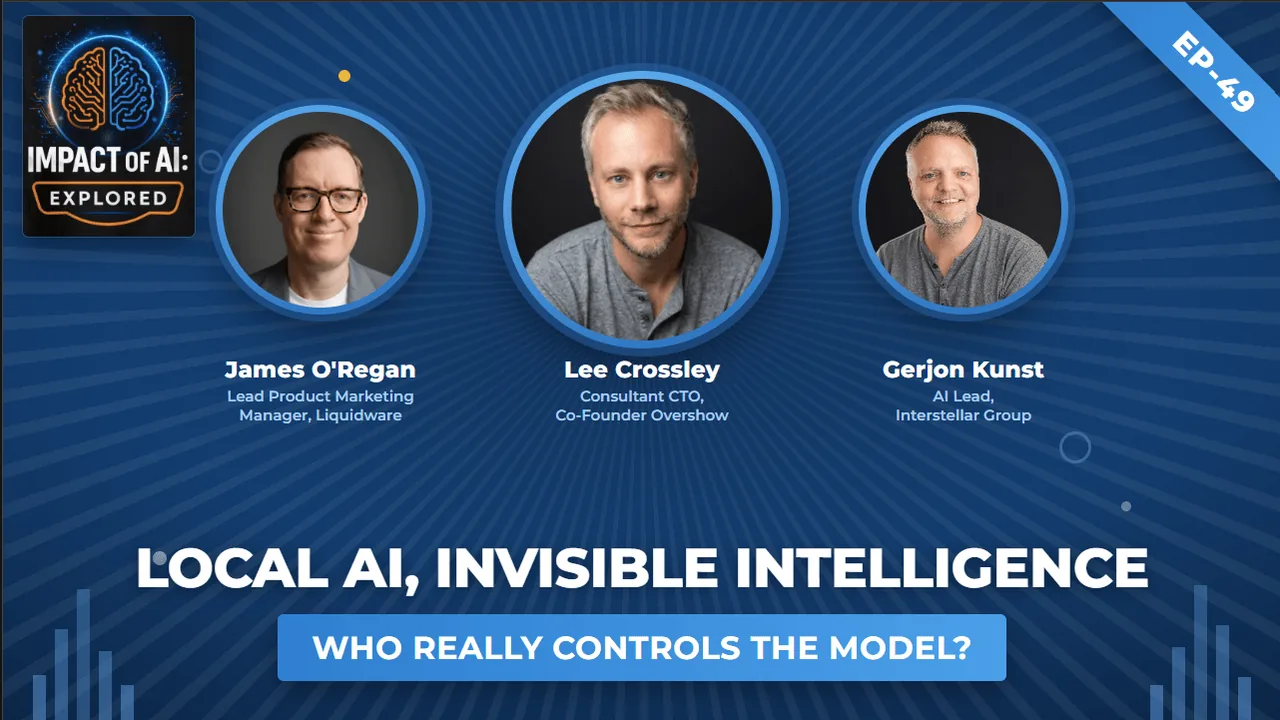
Local AI, Invisible Intelligence: Who Really Controls the Model
Welcome back to Impact of AI: Explored. In this episode, James O'Regan and Gerjon Kunst sit down with Lee Crossley, a consultant CTO, co-founder and engineer, to talk about local AI.
Lee Crossley, Consultant CTO, Overshow Release date: 10 Sep 2026
Your Workflow Isn't Broken, It's Waiting for an Upgrade
Welcome back to another episode of The Impact of AI: Explored! This time is a little different: James was off enjoying a well-deserved holiday, so Gerjon flew solo in the host's chair.
Jim Moyle, Principal Product Manager, Microsoft Windows Cloud Release date: 11 Aug 2026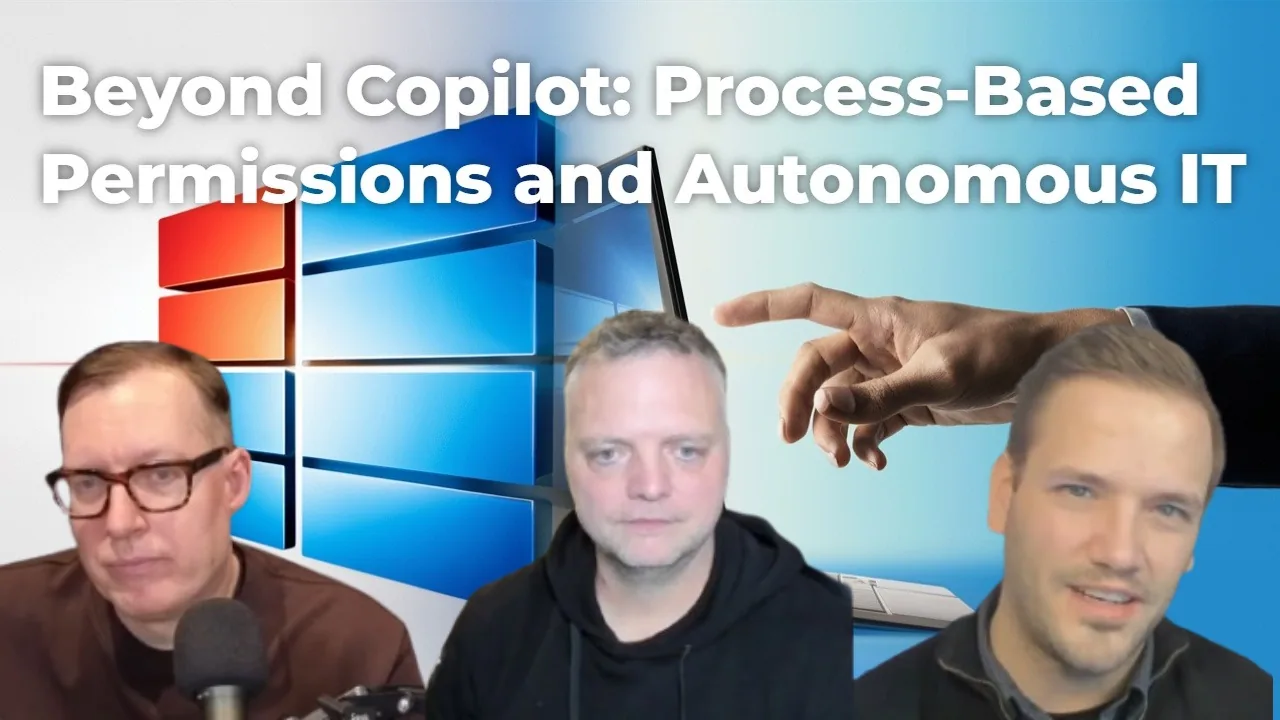
Beyond Copilot: Process-Based Permissions and Autonomous IT
We sit down with Christiaan Brinkhoff from Microsoft to talk about how AI and Cloud PCs are reshaping end-user computing and IT.
Christiaan Brinkhoff, Principal AI Product Manager, Microsoft Windows Cloud Release date: 27 Jan 2026