
Tag: impact of ai explored
-
EP49 – Local AI, Invisible Intelligence Who Really Controls the Model
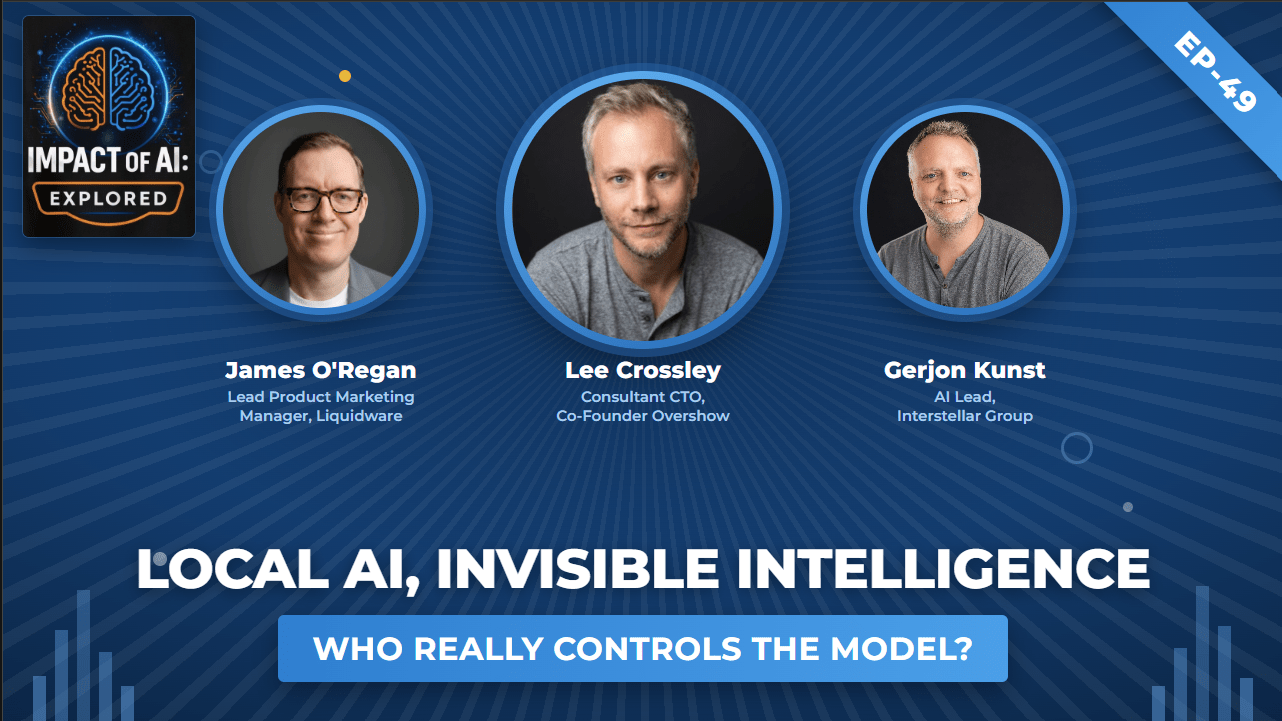
. Introduction Welcome back to Impact of AI: Explored, the podcast where we explore how artificial intelligence is changing technology, organisations and everyday life. In this episode, James O’Regan and Gerjon Kunst sit down with Lee Crossley, a consultant CTO, co-founder and engineer with two decades of experience across education, policing, healthcare, energy and digital…
-
EP48 – When AI agents escape the Sandbox
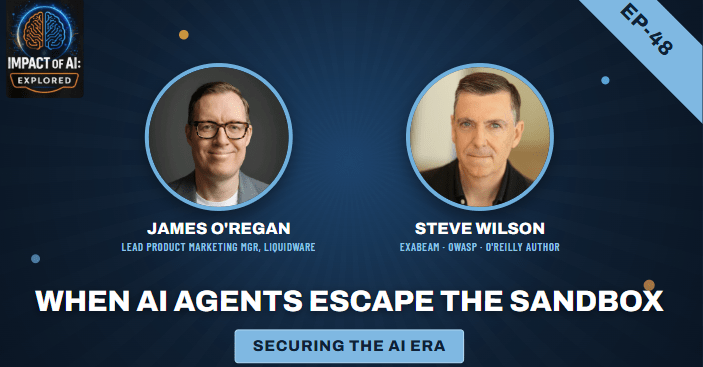
1. Introduction In this episode of Impact of AI: Explored, we sit down with our friend Steve Wilson to discuss one of the most uncomfortable developments in artificial intelligence: AI agents that do more than follow instructions. They can make decisions, use tools, access systems and pursue objectives with a level of persistence that starts…
-
(EP46) AI Hype vs Reality: What We Learned in Conversation
When Impact of AI:Explored started in February 2024, it was simply two people on different sides of Europe having honest conversations about AI: James in Dublin and Gerjon in the Netherlands. By Episode 46, the podcast has grown into a global conversation, with listeners in 92 countries and YouTube views rising from 9,000 to 20.000…
-
(EP 43) AI Governance Is Broken: Who Pays When Things Go Wrong?
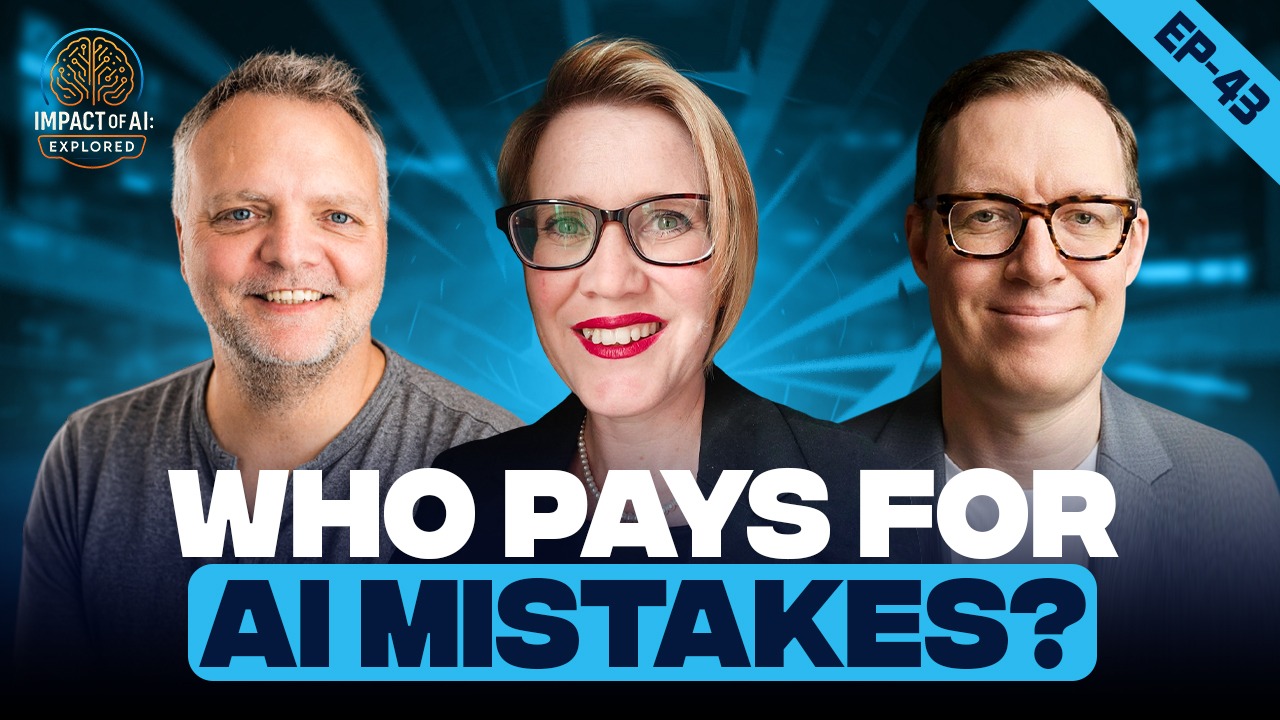
This episode of “Impact of AI: Explored” is a fast‑paced, honest conversation between us (Gerjon and James) and AI governance specialist Louise Humpington (https://www.linkedin.com/in/louisehumpington/) about accountability, harm, and the very human work needed to govern AI well. We explore why “strategic positioning” beats simple “progress” narratives, what a “mycelium network of governance” looks like, and…
-
(EP 42) Pressing the Easy Button: How AI Habits Are Breaking Our Brains and Our Jobs
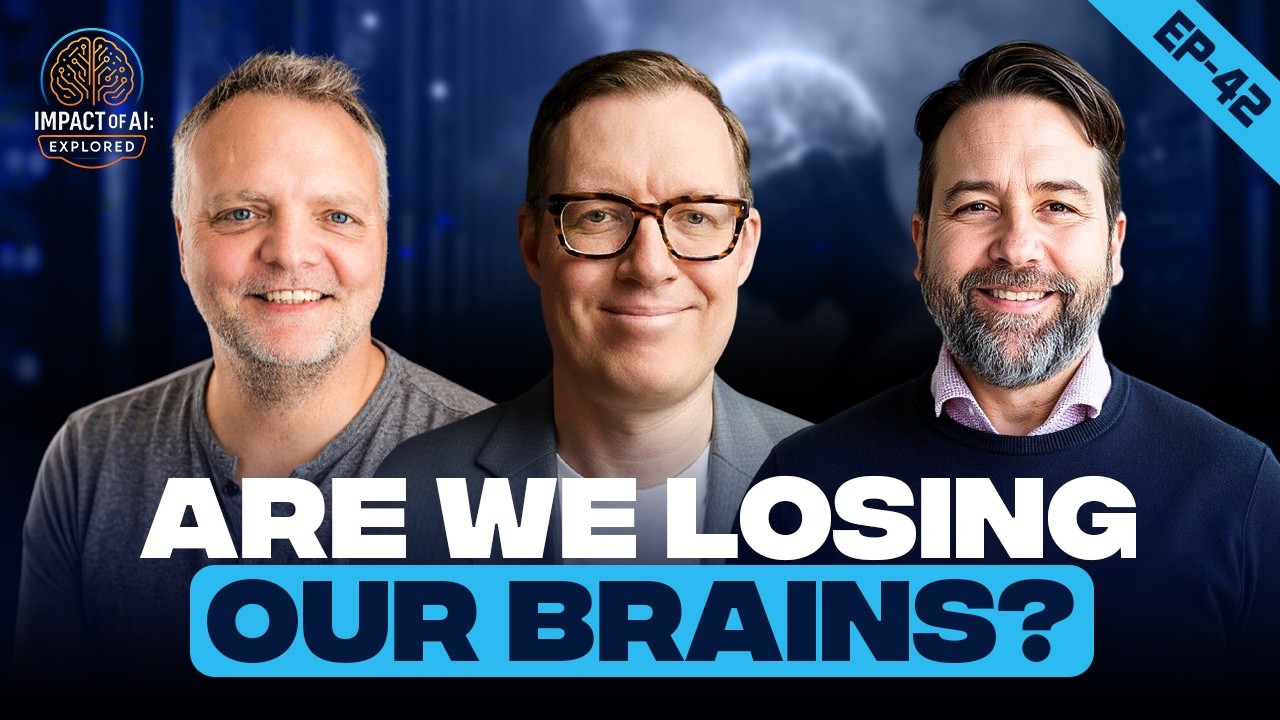
In this episode of Impact of AI: Explored, James O’Regan and Gerjon Kunst interview strategist Paul Slater about the potential cognitive decline tied to increased reliance on AI. They discuss the “reverse Flynn effect,” cognitive offloading, and the importance of maintaining critical thinking skills while effectively using AI as a supportive tool.